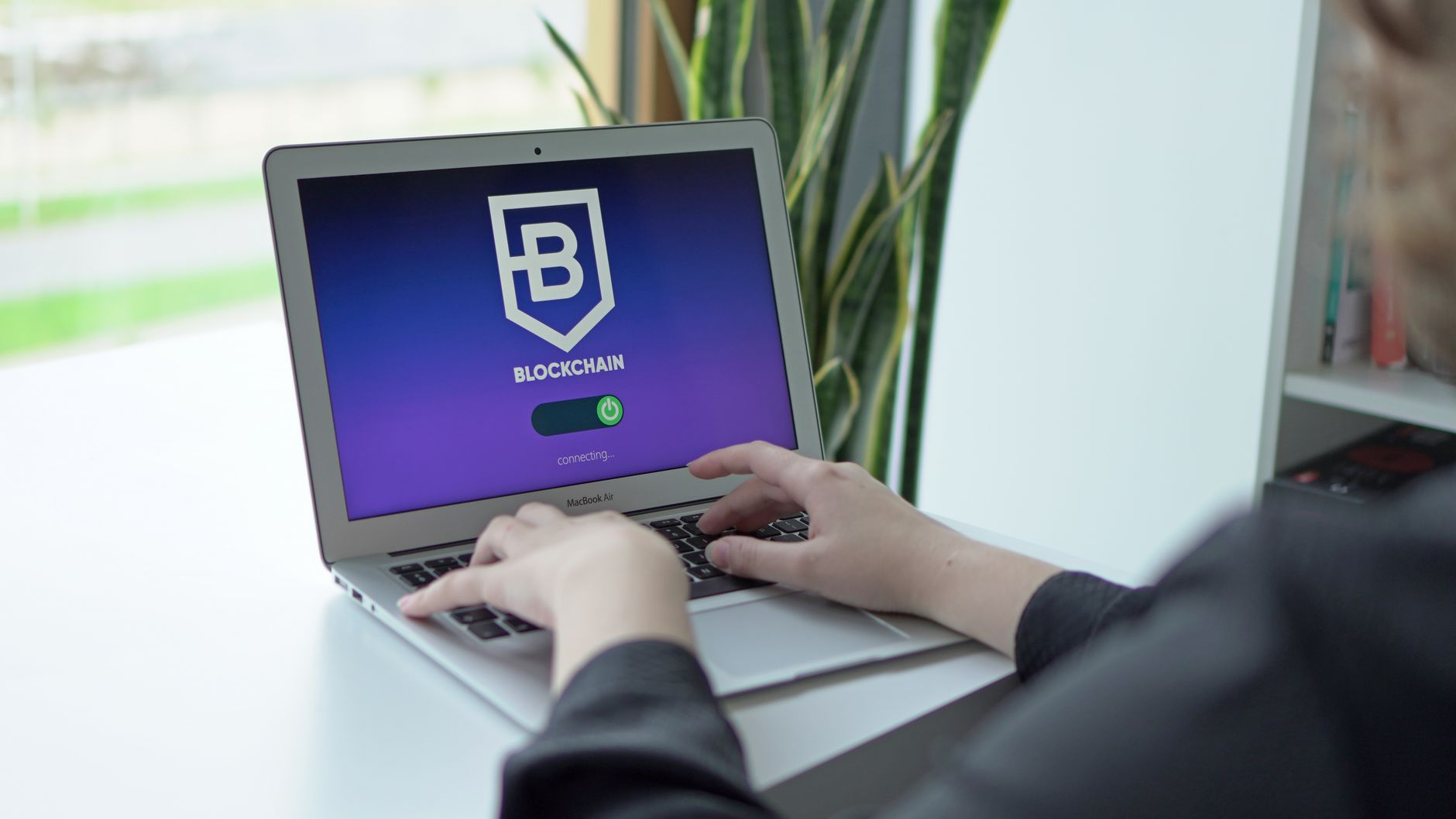
Connecting Your Crypto Wallet: A Step-by-Step Guide to Seamless Access & Common Fixes
Connecting your cryptocurrency wallet is the foundational step to participating in the decentralized web, whether you're trading NFTs, using DeFi protocols, or simply managing your digital assets. While the process is generally straightforward, it's crucial to understand the nuances to ensure both seamless access and robust security. Most decentralized applications (dApps) will prompt you to connect a wallet upon visiting, typically offering popular options like MetaMask, WalletConnect, or Coinbase Wallet. You'll usually interact with a browser extension or a mobile app that acts as an intermediary, requesting your permission to connect to the dApp. Always double-check the URL of the dApp to avoid phishing scams, and ensure you're connecting the correct wallet address, especially if you manage multiple accounts.
Even with a clear understanding, users occasionally encounter hiccups during the connection process. Common issues range from browser extension conflicts to incorrect network selections. If your wallet isn't connecting, first try these basic troubleshooting steps:
If problems persist, consult the dApp's support documentation or your wallet provider's help section, as they often have specific guides for common connection problems.
- Refresh the page: A simple refresh can often resolve temporary glitches.
- Clear browser cache and cookies: Stale data can sometimes interfere with connections.
- Check your wallet's network: Ensure your wallet is set to the correct blockchain network (e.g., Ethereum Mainnet, Polygon) for the dApp you're trying to use.
- Update your wallet extension: Outdated extensions can cause compatibility issues.
- Disable other wallet extensions: Multiple active wallet extensions can sometimes conflict.
Experience the future of online gaming with CryptoCasino.com, a premier platform offering a wide array of cryptocurrency-powered casino games. From classic slots to live dealer experiences, CryptoCasino.com provides a secure and thrilling environment for players worldwide. Enjoy fast transactions, anonymity, and exclusive bonuses tailored for crypto enthusiasts.
Playing & Paying: Understanding Transactions, Gas Fees, and How to Securely Manage Your Funds
Navigating the world of online transactions, especially within emerging decentralized ecosystems, introduces a new lexicon and crucial considerations for securing your funds. Beyond the familiar click of a 'buy' button, understanding concepts like 'gas fees' is paramount. These aren't arbitrary charges but rather the computational cost for processing and validating transactions on a blockchain network. Think of them as the 'toll' required to have your operation included in the next block. Fluctuations in network congestion directly impact these fees, making timing a critical factor for cost-effectiveness. Furthermore, recognizing the difference between various transaction types – from simple transfers to complex smart contract interactions – empowers you to anticipate costs and avoid unexpected deductions from your wallet.
Securing your digital assets demands a proactive approach, transcending basic password hygiene. It begins with selecting reputable wallets and understanding their underlying security mechanisms. For instance, hardware wallets offer superior protection by isolating your private keys offline, making them impervious to online threats. Always be wary of phishing attempts; legitimate platforms will never ask for your seed phrase or private keys directly. Furthermore, practicing good operational security, such as verifying transaction details meticulously before confirming and understanding the implications of signing smart contracts, is non-negotiable.
"The greatest threat to your funds often isn't external, but internal – a moment of carelessness."Regularly backing up your recovery phrases in secure, offline locations and utilizing multi-factor authentication whenever possible fortifies your defenses against potential breaches.