Beyond Bordeaux: Unearthing Lesser-Known Gems & Practicalities (Your Guide to Untapped Regions, Off-Season Charms & Local Transport)
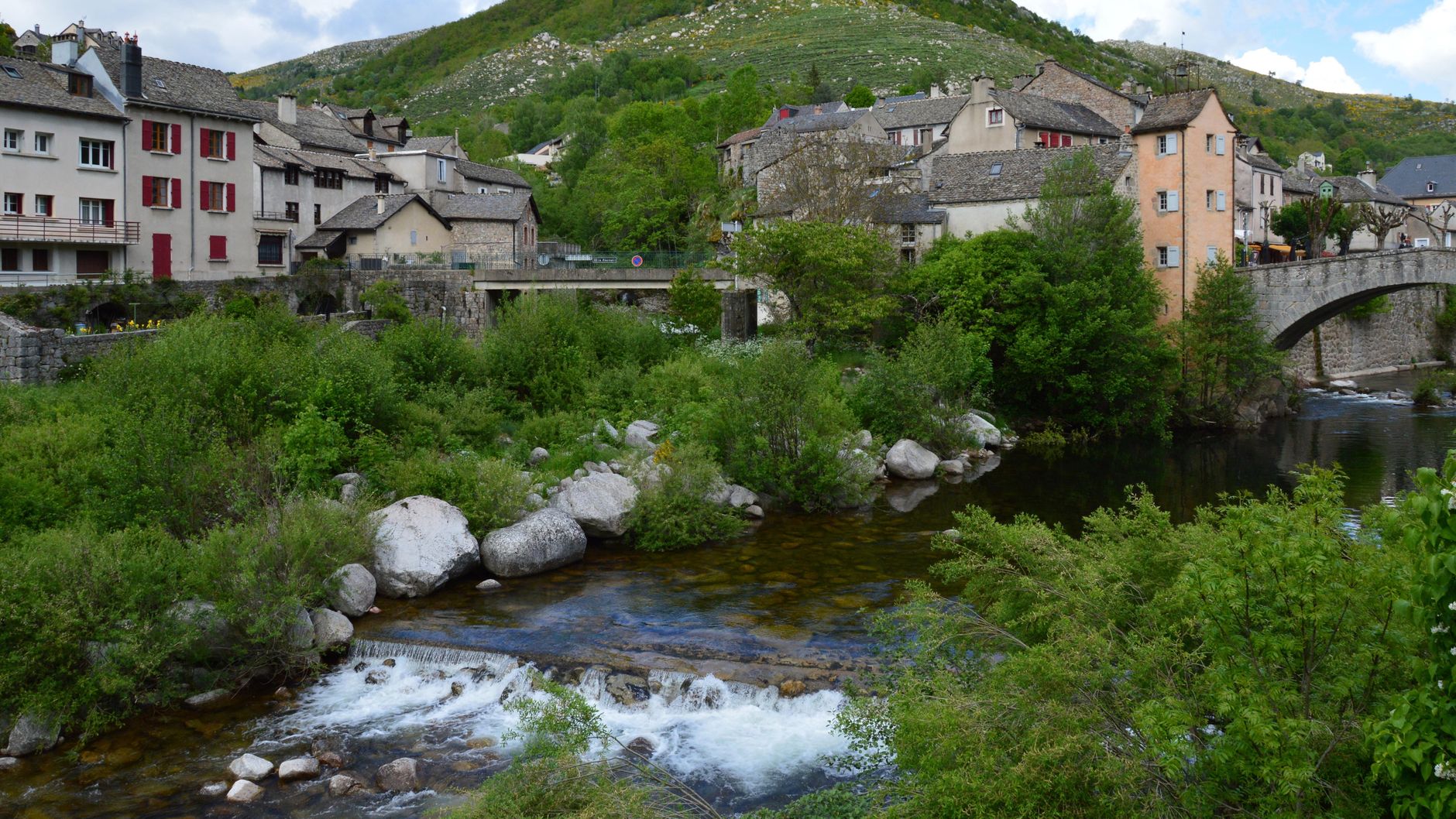
While Bordeaux often dominates the conversation, the true magic of French wine country lies in its vast, often overlooked regions. Imagine yourself exploring the sun-drenched vineyards of the Languedoc-Roussillon, where ancient Cathar castles pepper the landscape, and the wines offer incredible value and diversity, from robust Corbières to aromatic Picpoul de Pinet. Or perhaps you'd prefer the crisp, mineral-driven whites of the Loire Valley beyond Sancerre and Pouilly-Fumé, delving into Chinon for its elegant Cabernet Francs or Muscadet for its perfect oyster pairings. These less-trodden paths offer not only unique tasting experiences but also more authentic cultural immersion, with charming villages, family-run wineries, and local cuisine that truly reflects the regional terroir. Venturing beyond the obvious grants you access to hidden gems and a deeper understanding of France's rich viticultural tapestry.
Embracing the off-season is another strategic move for discerning wine travelers. While summer brings vibrant energy, the shoulder months of spring (April-May) and autumn (September-October) offer a more tranquil and intimate experience. You'll find fewer crowds, more readily available accommodations, and often more personalized attention at wineries. Plus, autumn brings the spectacle of harvest, a truly unforgettable time to witness the winemaking process firsthand, while spring offers budding vines and vibrant landscapes. When it comes to practicalities, exploring these regions often requires a bit more planning for local transport. While a rental car offers maximum flexibility, don't overlook regional train lines or even long-distance buses that connect major towns, allowing you to sample wines without worrying about driving. Many smaller regions also have local taxi services or even dedicated wine tour operators who can craft bespoke itineraries, ensuring you can truly relax and savor every moment.
Explore the rich history and culture of Aquitaine through the captivating narratives of Aquitaine Notes. This collection offers a fascinating glimpse into the region's past, from ancient tales to modern insights, providing a unique perspective on its enduring legacy.
Flavors & Festivities: Decoding Gastronomy, Wine, and Cultural Events (Navigating Markets, Tasting Etiquette & What to Expect from Local Celebrations)
Delving into the world of gastronomy, wine, and cultural events isn't just about what's on your plate or in your glass; it's about understanding the intricate markets that drive these experiences and the etiquette that enhances them. Navigating these vibrant landscapes requires a keen eye for authenticity and a willingness to embrace local traditions. For instance, a small regional wine festival might offer a unique opportunity to taste varietals unavailable elsewhere, but understanding the local currency exchange and typical bartering practices can significantly improve your experience. Similarly, exploring a bustling food market demands an awareness of proper hygiene and respect for local vendors. Learning a few key phrases in the local language, like 'thank you' or 'delicious,' can open doors to more genuine interactions and even better recommendations.
When attending local celebrations, whether it's a harvest festival in Tuscany or a street food carnival in Bangkok, managing your expectations is crucial for an enjoyable and SEO-friendly experience (think user-generated content!). These events are often a reflection of centuries of tradition, not just tourist attractions. You might encounter large crowds, unexpected delays, or dishes that challenge your palate, but these are all part of the authentic journey. Embrace the unpredictable! Consider these events as prime opportunities for content creation, capturing the essence of the celebration through photos and videos. Remember to always respect local customs, ask permission before photographing individuals, and be mindful of your environmental impact. A genuine appreciation for the culture will not only enrich your personal experience but also resonate with your audience, positioning you as a knowledgeable and respectful traveler.